


Japanese Fabric vs. Regular Cotton: What Makes Premium Shirts Worth It
by Aditya Srivastava on Feb 18, 2026
Fabric Education
Japanese Fabric vs. Regular Cotton
What makes premium shirts worth the investment
You've seen two shirts hanging side by side. One costs Rs. 1,500. The other costs Rs. 6,000. Both are cotton. Both have embroidery. To the untrained eye, they look similar. But pick them up, and the difference is immediate—one feels substantial, refined, almost architectural. The other feels... ordinary. That difference? Japanese fabric. And understanding why it matters will change how you evaluate every garment you consider buying.
This isn't about snobbery or label-chasing. It's about textile science, craftsmanship heritage, and the simple economics of cost-per-wear. Premium fabric isn't a luxury—it's a calculation. And once you understand what you're actually paying for, the choice becomes obvious.
The Numbers That Matter
180-250
GSM range for premium shirts
120-160
GSM typical for fast fashion
3-5x
Longer lifespan with premium fabric
Understanding Japanese Fabric: Why It Commands Premium Pricing
Japan's reputation for textile excellence isn't marketing—it's documented industrial history. After World War II, Japanese manufacturers acquired traditional weaving equipment from America and dedicated themselves to perfecting production methods that Western factories had abandoned for speed. While global textile production optimized for volume, Japanese mills optimized for quality. The philosophy of "monozukuri"—making things with pride, precision, and dedication—became embedded in every meter of fabric.
Today, Japanese textiles are considered the global benchmark for premium fabric. Mills like Kuroki, Kaihara, and Kurabo supply the world's most discerning fashion houses. The difference isn't mystical—it's measurable in GSM, weave density, fibre selection, and finishing techniques that cheaper production simply cannot replicate.
GSM Explained: The Number That Defines Quality
What is GSM?
GSM stands for Grams per Square Meter—the weight of one square meter of fabric. It's the textile industry's universal measure of density and substance. Higher GSM means more material per unit area, which typically translates to better durability, structure, and premium feel.
Think of it like paper: printer paper might be 80 GSM, while premium cardstock is 300 GSM. You can immediately feel the difference. The same principle applies to fabric—and the difference matters even more because you're wearing it against your skin for hours at a time.
| GSM Range | Category | Typical Use | Characteristics |
|---|---|---|---|
| 100-140 GSM | Lightweight | Summer basics, undershirts | Breathable but thin, may be see-through |
| 150-180 GSM | Medium Weight | Everyday casual shirts | Standard durability, moderate structure |
| 180-250 GSM | Premium Weight | Statement shirts, embroidered pieces | Superior drape, holds embroidery beautifully |
| 250+ GSM | Heavyweight | Outerwear, structured jackets | Maximum durability, warmer |
NOOOB embroidered shirts use high-GSM Japanese fabric in the 180-220 range—optimal for structure without sacrificing comfort.
Head-to-Head: Japanese Fabric vs. Regular Cotton
Regular Cotton
GSM
120-160 GSM typical
Fibre Length
Short-staple (faster production)
Weave Density
Looser weave (faster looms)
Durability
10-20 washes before visible wear
Embroidery Foundation
Thread may pucker or pull fabric
Typical Price Point
Rs. 800 - Rs. 2,000
Japanese Fabric (High-GSM)
GSM
180-250 GSM standard
Fibre Length
Long-staple (stronger, softer)
Weave Density
Tight, dense weave (precision looms)
Durability
50+ washes maintaining structure
Embroidery Foundation
Stable base for intricate threadwork
Typical Price Point
Rs. 4,000 - Rs. 8,000+
Why Fabric Quality Matters Even More for Embroidered Shirts
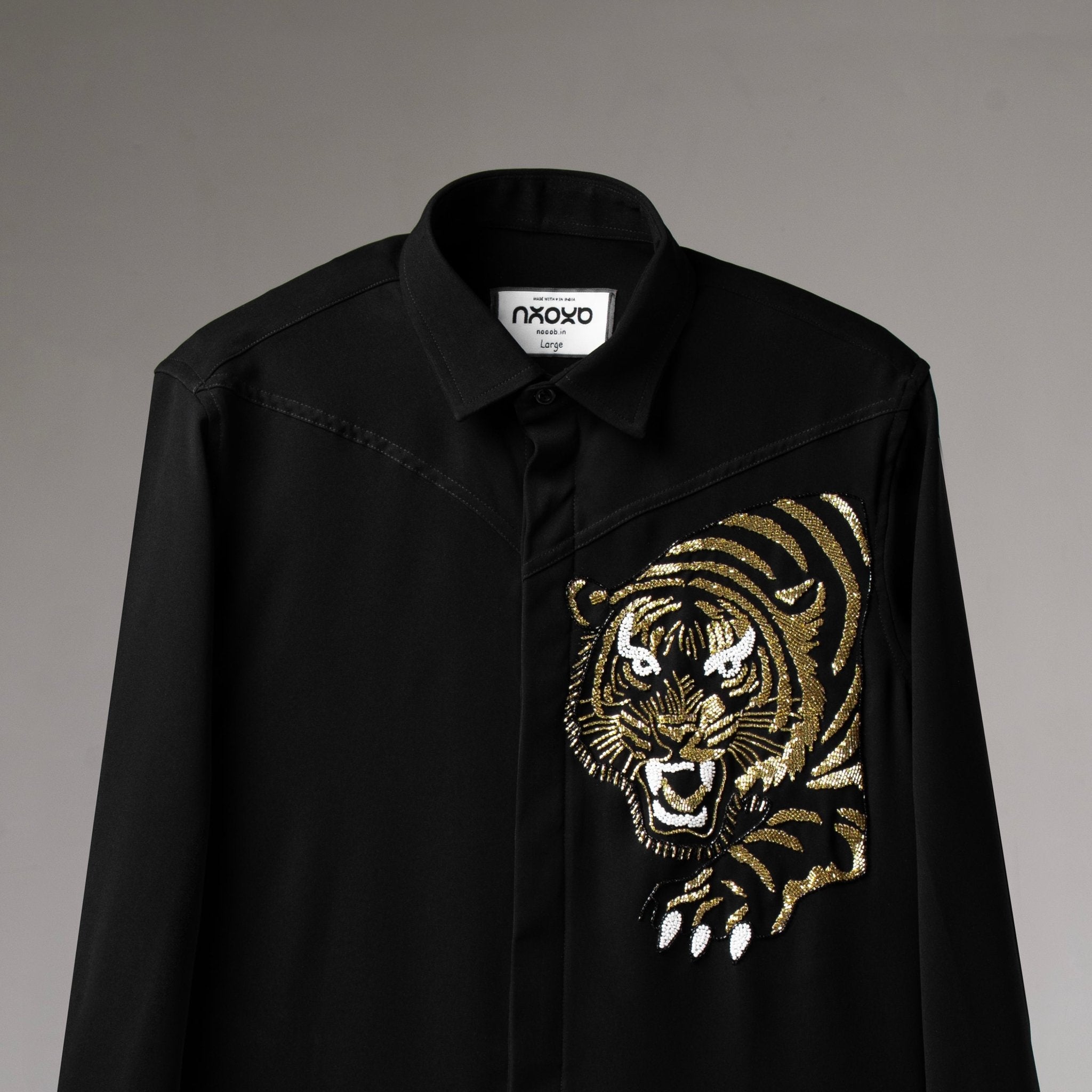
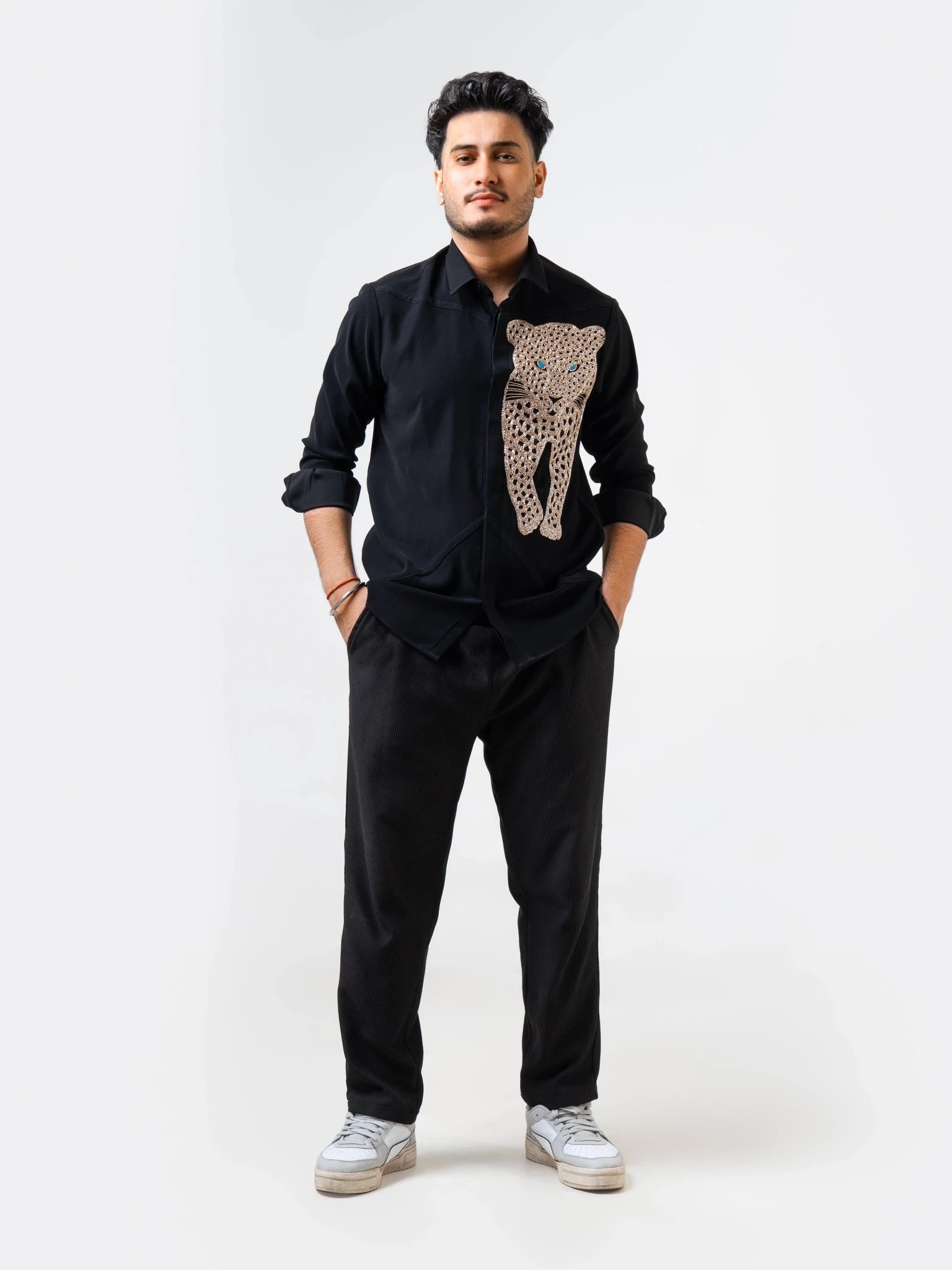
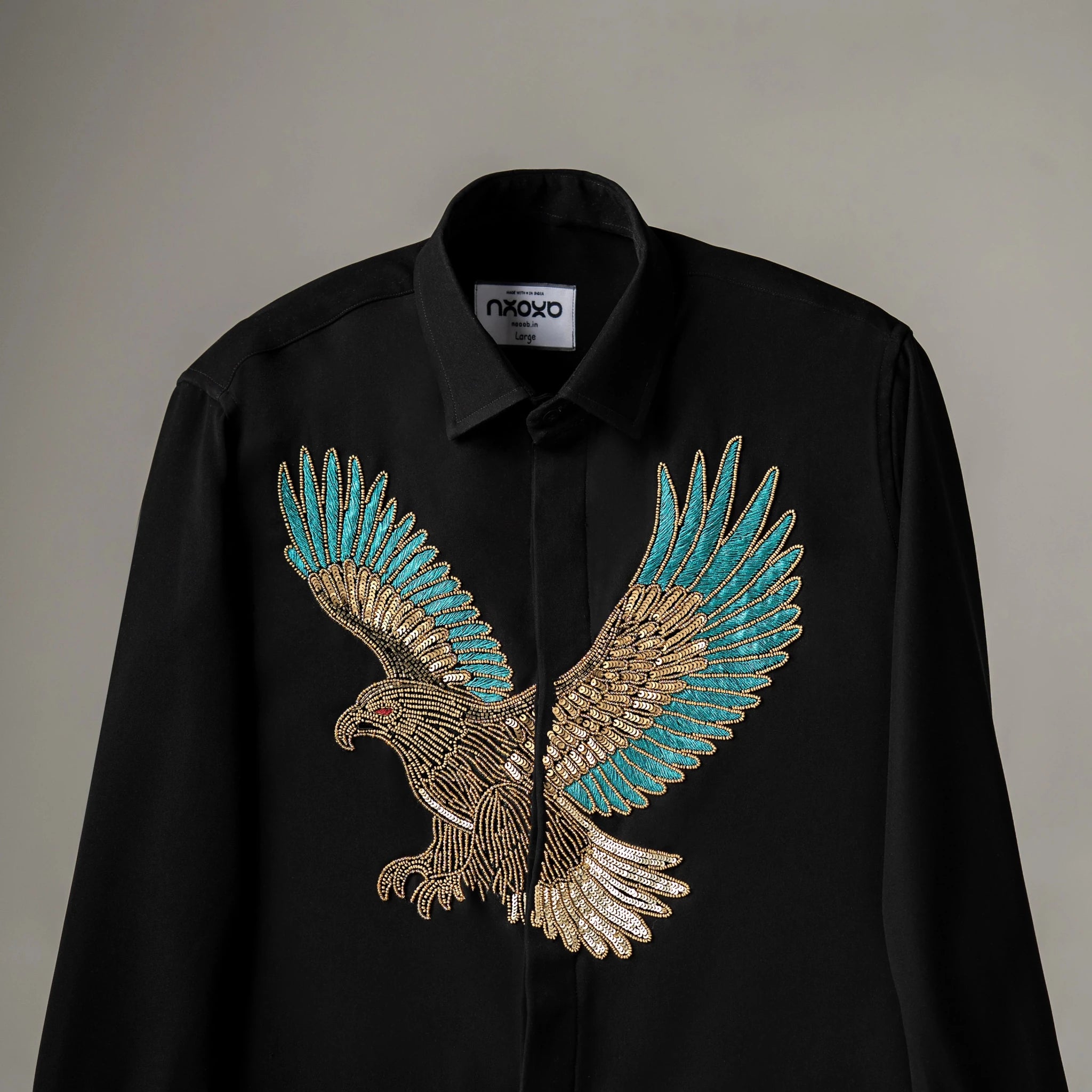
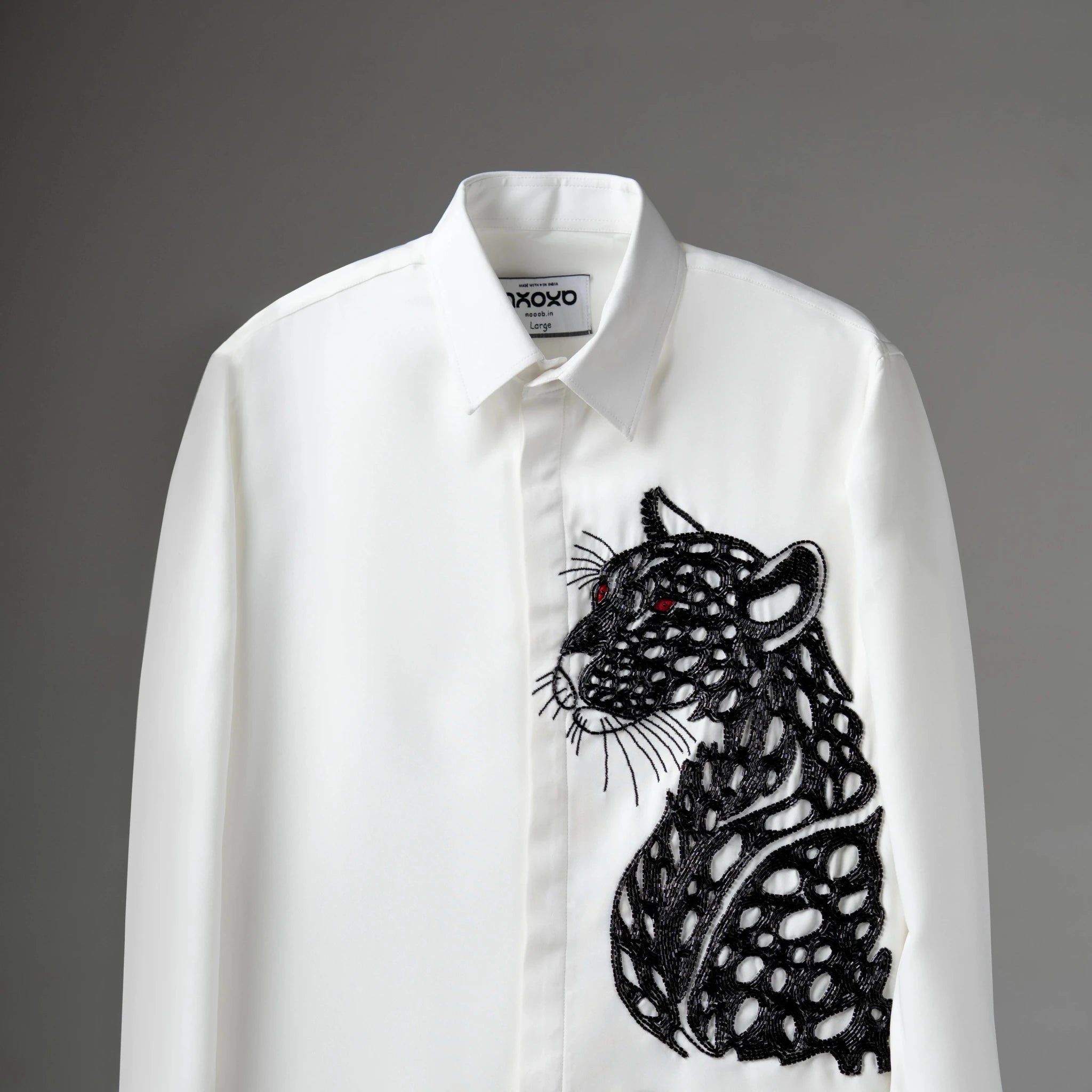
Embroidery is only as good as its foundation. Hand embroidery involves thousands of needle penetrations into fabric—each one creating a tiny hole that the thread must hold without puckering, pulling, or distorting the surrounding material. Cheap, loosely-woven fabric simply cannot handle this stress. The embroidery may look acceptable initially, but after a few washes, you'll see the telltale signs: pulled threads, puckered areas, distorted motifs.
High-GSM Japanese fabric provides a stable, dense foundation that holds embroidery thread securely without distortion. The tighter weave means the needle passes through more fibres with each stitch, creating a secure anchor. This is why NOOOB embroidered shirts maintain their crisp, three-dimensional embroidery even after years of wear—the foundation was built to last.
The NOOOB Difference: Japanese Fabric + Hand Embroidery
The Economics: Cost-Per-Wear Changes Everything
Let's do the maths that most fashion marketing avoids:
Fast Fashion Approach
Shirt cost: Rs. 1,500
Wears before replacement: ~15
Cost per wear: Rs. 100
Plus: 3 replacements over 5 years = Rs. 4,500 total
Premium Investment Approach
Shirt cost: Rs. 6,000
Wears before replacement: ~60+
Cost per wear: Rs. 100
Plus: Same shirt still looking sharp after 5 years
The cost-per-wear is identical—but the premium shirt photographs better at wear 50 than the fast-fashion shirt did at wear 5. You're not paying more; you're paying smarter. And you're not cycling through disposable garments that end up in landfill.
How to Identify Quality Fabric (The Touch Test)
1. Weight Test
Hold the shirt by the collar. Quality fabric has noticeable heft—it doesn't flutter or feel flimsy.
2. Drape Test
Quality fabric drapes smoothly without bunching. Cheap fabric creates awkward folds and wrinkles.
3. Light Test
Hold fabric up to light. Dense, quality fabric shows minimal light transmission. Cheap fabric is often see-through.
4. Recovery Test
Gently bunch the fabric, release. Quality fabric springs back. Cheap fabric holds wrinkles.
Frequently Asked Questions
Is higher GSM always better?
Not always—context matters. For statement shirts and embroidered pieces, 180-250 GSM provides the ideal balance of structure, drape, and durability. Ultra-high GSM (300+) is better suited for outerwear and jackets. The key is matching GSM to the garment's purpose. For shirts designed to be worn frequently to important occasions, high-GSM Japanese fabric hits the sweet spot.
Will high-GSM fabric be too hot for Indian summers?
Quality Japanese fabric is designed to breathe despite its density. The tight weave actually wicks moisture more effectively than loosely-woven cheap cotton that traps heat. NOOOB shirts in the 180-220 GSM range are comfortable for evening events, indoor functions, and air-conditioned venues—which is where statement shirts are typically worn anyway.
How do I care for Japanese fabric shirts to maximize lifespan?
Hand wash in cold water with mild detergent, or dry clean for embroidered pieces. Never wring—lay flat to dry or hang on padded hangers. Iron on reverse side with medium heat, or steam. Store hung in a cool, dry place. With proper care, high-GSM Japanese fabric maintains its structure and appearance for years—that's the entire point of investing in quality.
Why doesn't every brand use Japanese fabric?
Cost and business model. Japanese fabric costs 3-5x more than standard cotton. Brands optimizing for volume and low price points simply cannot afford it while maintaining their margins. NOOOB made a deliberate choice to use premium materials because the brand exists to create statement pieces that last—not disposable fashion that cycles through your wardrobe.
"The bitterness of poor quality remains long after the sweetness of low price is forgotten."
Premium fabric isn't about luxury for luxury's sake—it's about respecting your investment, your time, and your presence at the moments that matter. When you understand what you're actually buying, the choice between disposable and durable becomes clear. NOOOB shirts are built on Japanese fabric because some things are worth doing right.
Feel The Difference
Japanese Fabric. Hand Embroidered. Built to Last.
High-GSM foundation meets 10-12 hours of artisan craftsmanship. This is what premium actually means.
Rise Quiet. Shine Loud.


