
Complete Guide: What to Wear to 7 Types of Indian Wedding Functions
by Aditya Srivastava on Feb 19, 2026
Complete Wedding Guide
What to Wear to 7 Types of Indian Wedding Functions
From Roka to Reception—your complete dress code guide
Indian weddings aren't single-day events—they're multi-day celebrations spanning anywhere from 3 to 7 distinct ceremonies. Each Indian wedding function carries its own significance, mood, and implied dress code. Showing up in the wrong attire doesn't just affect how you look; it signals a lack of cultural awareness that reflects poorly on your relationship with the couple.
This complete guide walks you through all seven major functions: Roka, Tilak, Haldi, Mehendi, Sangeet, the Wedding ceremony, and Reception. For each, you'll learn the cultural context, appropriate dress codes, colour guidance, and how hand embroidered shirts can serve as versatile statement pieces across multiple events.
Quick Reference: 7 Functions at a Glance
| Function | When | Formality | Colours | Avoid |
|---|---|---|---|---|
| 1. Roka | Weeks before | Semi-formal | Pastels, neutrals | Casual jeans |
| 2. Tilak | 1-2 weeks before | Formal traditional | Gold, peach, maroon | Black, white |
| 3. Haldi | 1-2 days before | Casual festive | Yellow, gold, ivory | Expensive fabrics |
| 4. Mehendi | 1-2 days before | Relaxed festive | Green, earthy tones | Heavy accessories |
| 5. Sangeet | Night before | Glamorous | Jewel tones, metallics | Understated looks |
| 6. Wedding | Main day | Formal traditional | Rich, auspicious | Red, white, black |
| 7. Reception | After wedding | Grand celebration | All glamorous shades | Casual attire |
Understanding All 7 Indian Wedding Functions
Each function serves a distinct purpose in the wedding journey. Understanding the "why" behind each ceremony helps you dress appropriately and participate meaningfully. Here's your complete breakdown:
Roka Ceremony
Semi-Formal
Weeks Before Wedding
What it is: The Roka is the first formal step toward marriage—the official "yes" from both families. It marks the commitment between the couple and their families before wedding preparations begin. Traditionally intimate, it's now often celebrated with close relatives over sweets, gifts, and blessings.
Dress Code for Men: Smart-casual to semi-formal. A well-fitted kurta with churidar or a kurta-jacket combination works perfectly. Colours should be elegant but not overly flashy—think pastels, beige, powder blue, or subtle gold accents.
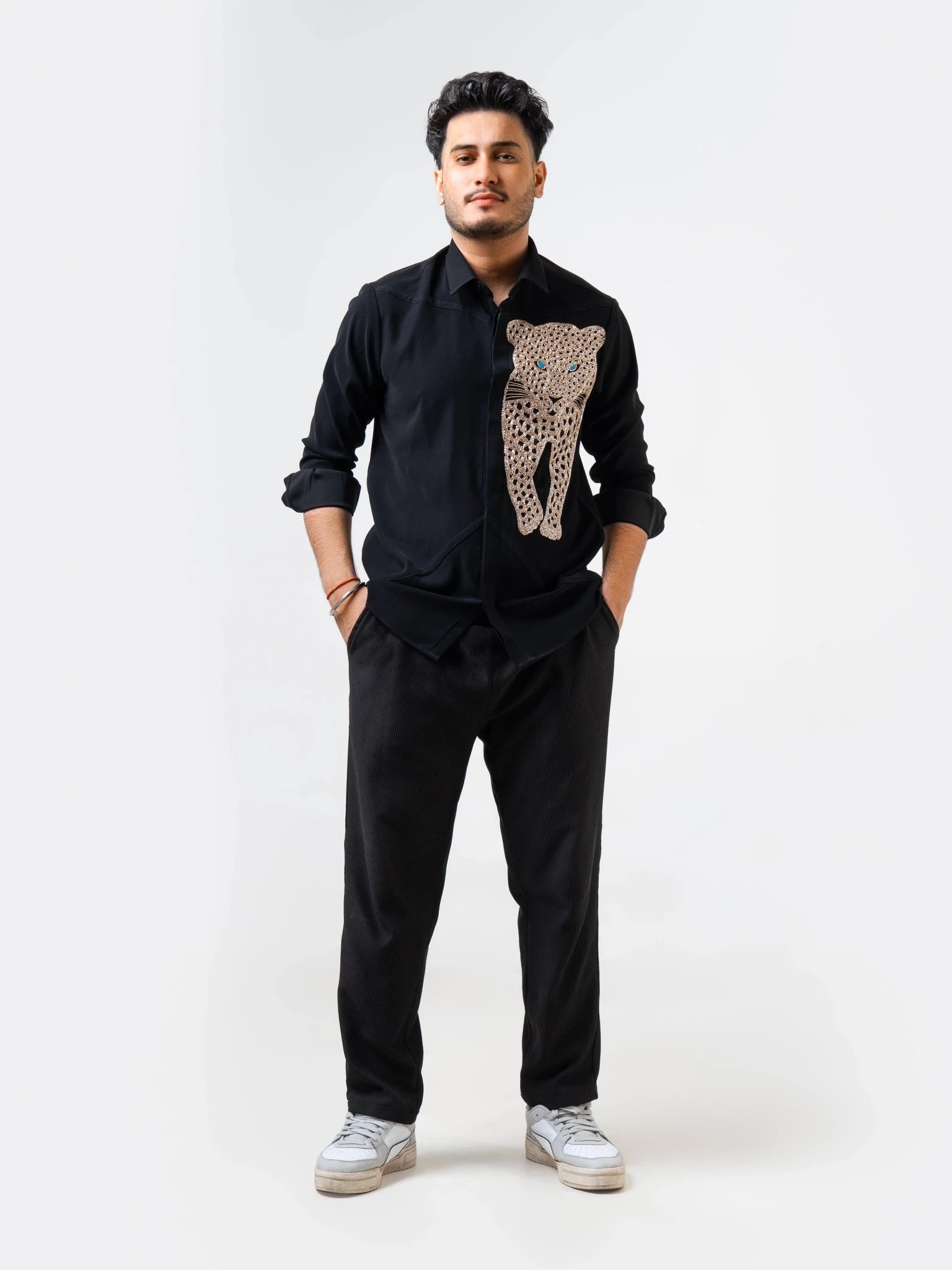
💡 NOOOB Pick: Crimson Prowl layered under a light Nehru jacket. The warm maroon is auspicious without being overwhelming for this intimate gathering.
Tilak Ceremony
Formal Traditional
1-2 Weeks Before
What it is: The Tilak ceremony formally accepts the groom into the bride's family. Male members from the bride's side visit the groom's residence to apply vermilion (tilak) on his forehead—symbolizing their approval and trust that he'll care for their daughter. Gifts, sweets, and sometimes clothes are exchanged.
Dress Code for Men: Formal traditional. This is a significant ceremony with elders present. Opt for classic dhoti-kurta sets, embroidered kurtas with stoles, or bandhgala jackets. Colours like gold, peach, maroon, or ivory convey respect and auspiciousness.
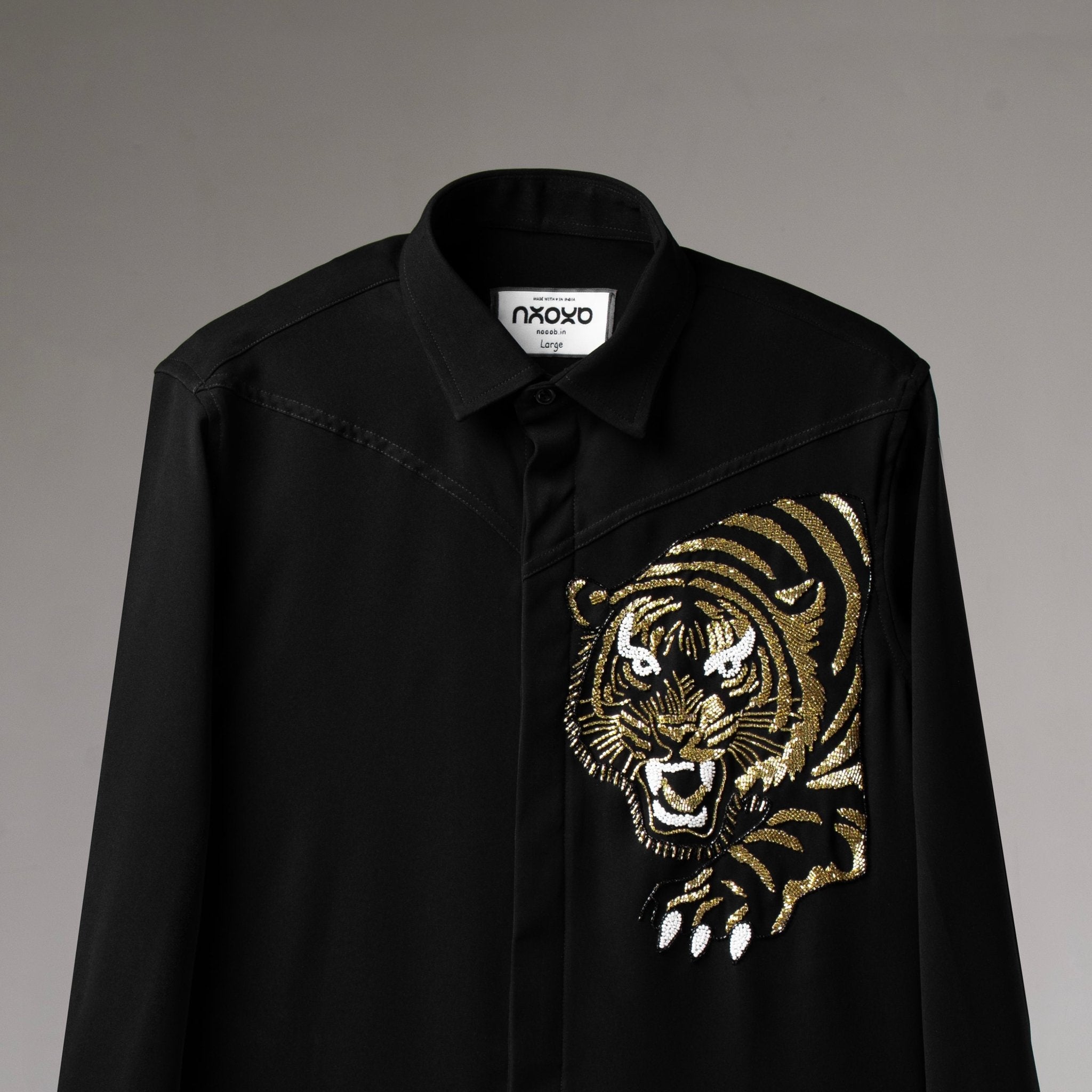
💡 NOOOB Pick: Golden Roar under an ivory or gold Nehru jacket. The gold embroidery honours the occasion's significance while the tiger symbolizes the groom's strength and commitment.
Haldi Ceremony
Casual Festive
1-2 Days Before
What it is: One of the most fun pre-wedding events. Family and friends apply turmeric paste (haldi) mixed with rose water, honey, and milk to the bride and groom. Turmeric is considered auspicious, believed to ward off evil spirits and give the couple glowing skin for their big day. Yellow dominates the colour palette.
Dress Code for Men: Casual and comfortable—turmeric stains are inevitable! Kurta-pajamas in yellow, ivory, gold, or white work best. Avoid expensive fabrics you'd hate to see stained. Breathable cotton or linen is ideal for this daytime, often outdoor event.
💡 NOOOB Pick: Golden Roar worn standalone. The gold embroidery matches the yellow theme perfectly, and the black base fabric hides any accidental turmeric splashes.
Mehendi Ceremony
Relaxed Festive
1-2 Days Before
What it is: The Mehendi ceremony centres around applying intricate henna designs to the bride's hands and feet. Traditionally a ladies-only event, modern celebrations now include all guests. There's music, dancing, and hours of festive mingling as artists work their magic. The event often has a green colour theme (matching henna's natural colour).
Dress Code for Men: Relaxed but stylish. Kurtas with Nehru jackets, Indo-Western sets, or printed kurtas in green, mint, earthy tones, or florals. Comfort matters—you'll be sitting, mingling, and possibly dancing for hours.
💡 NOOOB Pick: Crimson Prowl complements the green decor beautifully. The deep maroon creates visual contrast against henna-green surroundings while remaining culturally appropriate.
Sangeet Night
Glamorous
Night Before Wedding
What it is: The word "Sangeet" means "sung together"—and that's exactly what happens. This is the red-carpet event of Indian weddings: choreographed performances, music, dance battles between families, and pure celebration. Originally a North Indian tradition, it's now universal. This is your moment to shine.
Dress Code for Men: Maximum glamour. Velvet bandhgalas, embroidered sherwanis, Indo-Western jackets, or statement pieces in jewel tones (emerald, navy, wine, burgundy). Your outfit should move with you on the dance floor and photograph brilliantly under stage lights.
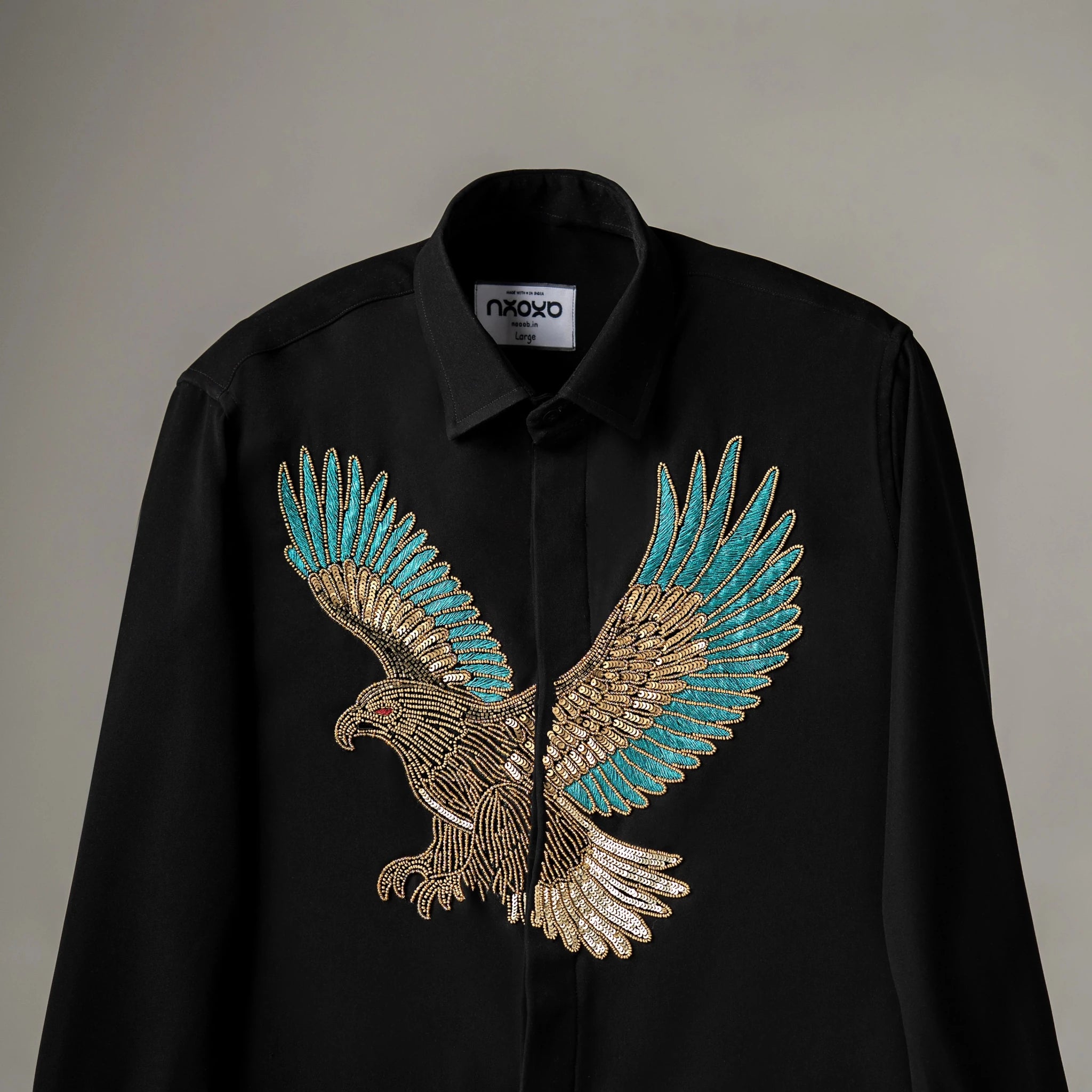
💡 NOOOB Pick: Skyborn Oath—the eagle's wings create visual movement perfect for dancing. Layer with a velvet Nehru jacket for photos, remove it when the dance floor heats up.
Wedding Ceremony (Pheras)
Formal Traditional
Main Event
What it is: The sacred main event. The couple exchanges garlands (Jaimala), takes seven vows around the sacred fire (Saptapadi/Pheras), and the groom applies sindoor to the bride's hairline. This ceremony can last 2-4 hours and carries deep cultural and spiritual significance. Every ritual has meaning.
Dress Code for Men: Formal traditional. Sherwanis, bandhgalas, or elegant kurta sets in rich, auspicious colours. Critical rules: Avoid red (reserved for the bride), white (associated with mourning in Hindu culture), and all-black (considered inauspicious by some families).
💡 NOOOB Pick: Blue Stare under a navy or ivory Nehru jacket. The electric blue accents and embroidery transform it from simple black into an elegant evening piece suitable for sacred ceremonies.
Reception
Grand Celebration
After Wedding
What it is: The grand finale—a celebration party announcing the couple's union to the wider world. Receptions are photo-heavy, feature congratulations from all guests, and shift from ritual to pure celebration. The dress code loosens to allow more personal expression and glamour.
Dress Code for Men: Maximum impact. Tuxedos, Indo-Western suits, designer sherwanis, or statement pieces all work. This is your final impression in the couple's wedding album—cameras will be clicking all night. Dress to photograph brilliantly.
💡 NOOOB Pick: Golden Roar under a black velvet blazer. The gold embroidery catches reception lighting beautifully—flash, stage lights, candlelit ambience all make it photograph spectacularly.
One Collection, Seven Functions
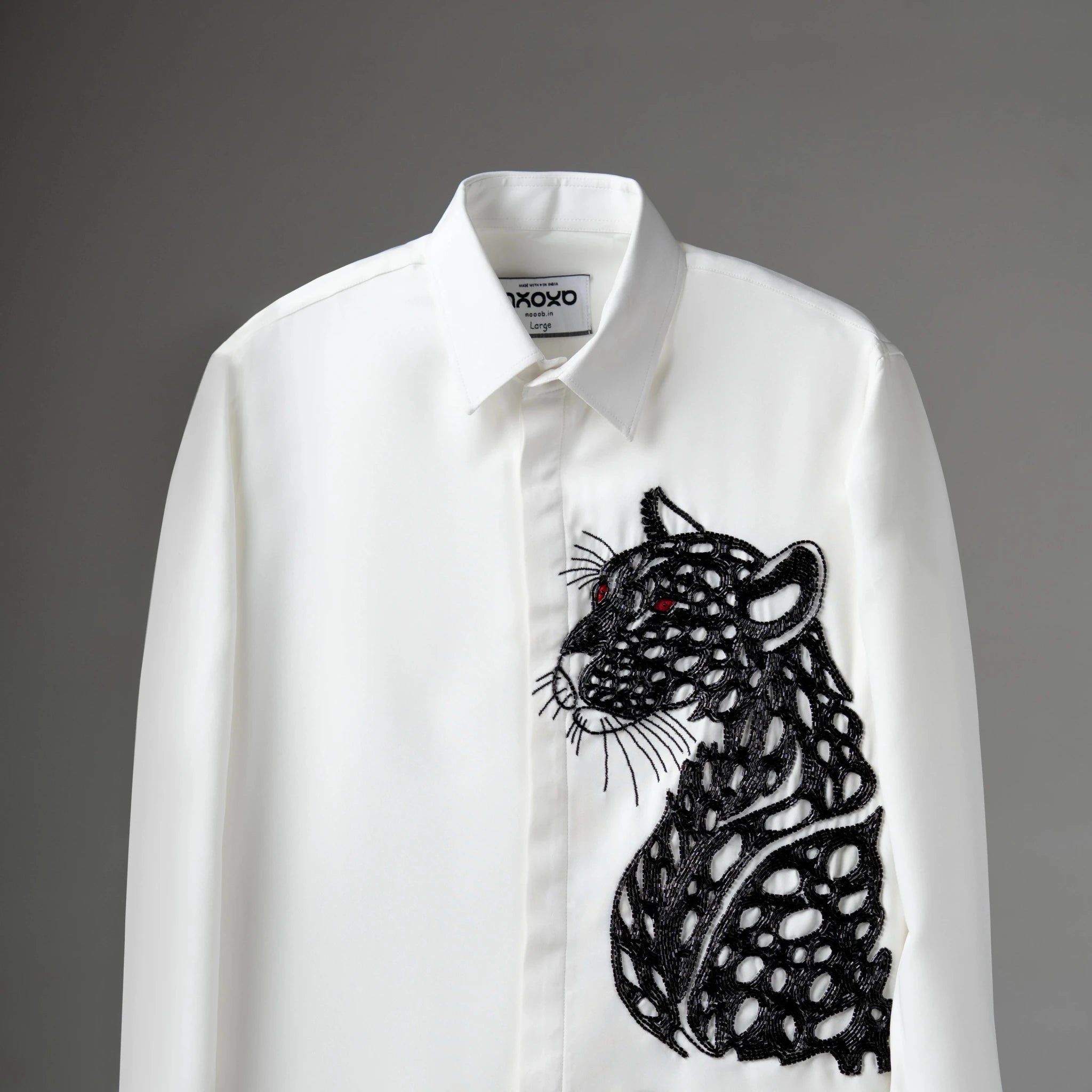
Hand embroidered on premium Japanese fabric by Noobies
Universal Rules for All Indian Wedding Functions
✅ Always Do:
• Embrace colour—it shows celebration
• Match formality to the specific function
• Invest in versatile pieces that work across events
• Check invitations for theme requirements
❌ Never Do:
• Wear red—reserved for the bride
• Wear all-white or all-black to ceremonies
• Arrive in casual jeans or t-shirts
• Outshine the couple—complement, don't compete
Frequently Asked Questions
How many outfits do I need for an Indian wedding?
Most guests can manage with 2-3 versatile pieces styled differently. Two embroidered shirts (one warm-toned, one cool-toned) plus two Nehru jackets in complementary colours create seven distinct looks. The trick is investing in quality pieces that photograph well repeatedly rather than cheap alternatives that look identical.
What if I'm attending functions from different families (bride's and groom's side)?
The dress codes remain the same regardless of which side you're attending from. The main difference is which ceremonies you might be invited to—traditionally, some functions were side-specific, but modern weddings typically invite guests from both sides to all major events. Follow the formality guide above for each function.
Are embroidered shirts appropriate for all seven functions?
Yes—with appropriate styling. For formal functions (Tilak, Wedding, Reception), layer embroidered shirts under Nehru jackets or bandhgalas. For casual functions (Haldi, Mehendi), the shirt can stand beautifully on its own. The embroidery adds distinction without being culturally inappropriate for any ceremony.
What's the biggest dress code mistake guests make?
Underdressing for Indian weddings. Unlike Western weddings where "smart casual" often suffices, Indian weddings expect guests to embrace celebration through their attire. Showing up in plain kurtas when everyone else is in embroidered sherwanis creates awkward photo moments and suggests you didn't value the occasion enough to prepare properly.
"Every function tells a different story. Your outfit should speak the right language."
From the intimate Roka to the grand Reception, each Indian wedding function deserves thoughtful preparation. Understanding the cultural significance behind each ceremony transforms you from a passive guest into an active participant in the celebration. And with the right pieces in your wardrobe, you'll navigate every event with confidence, cultural respect, and unmistakable style.
Seven Functions. One Collection.
Navigate Every Ceremony in Style
Hand embroidered on premium Japanese fabric. Crafted by Noobies for guests who understand that every celebration deserves presence.
Rise Quiet. Shine Loud.